Life & Work
Six decades behind the lens — from the Great Rift Valley to Paris, Rome, the dhow routes of the Indian Ocean and the rivers of the Amazon.
1931
Lake Naivasha, Kenya
Born 14th July 1931 on the shores of Lake Naivasha in the Great Rift Valley, to Giselle Bunau-Varilla — an artist who had studied sculpture under Auguste Rodin — and her Neapolitan husband Mario, who had settled in Kenya in 1927. It was Giselle who first pressed a camera into her daughter's hands.
Early 1950s
Paris
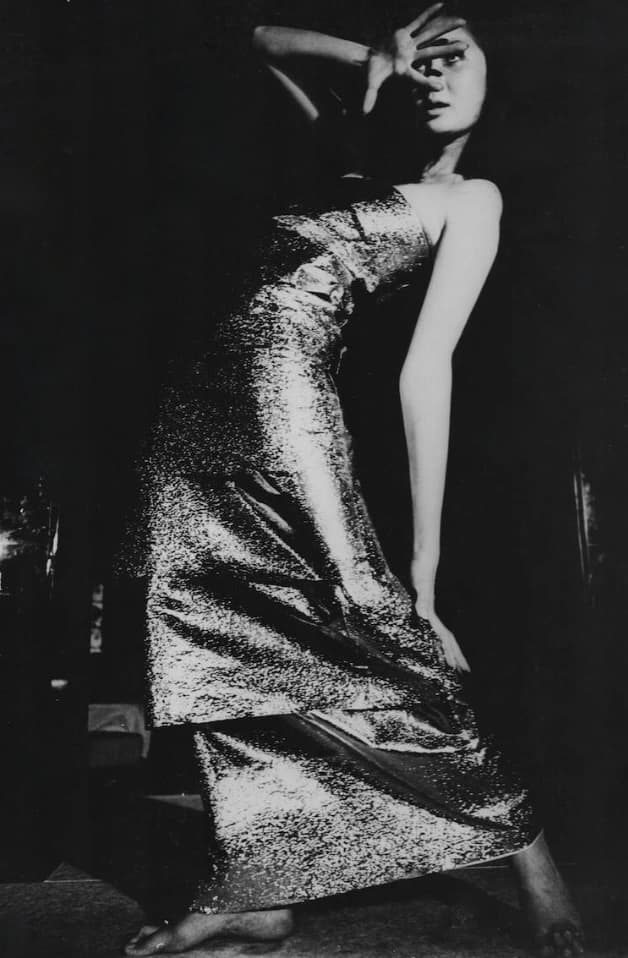
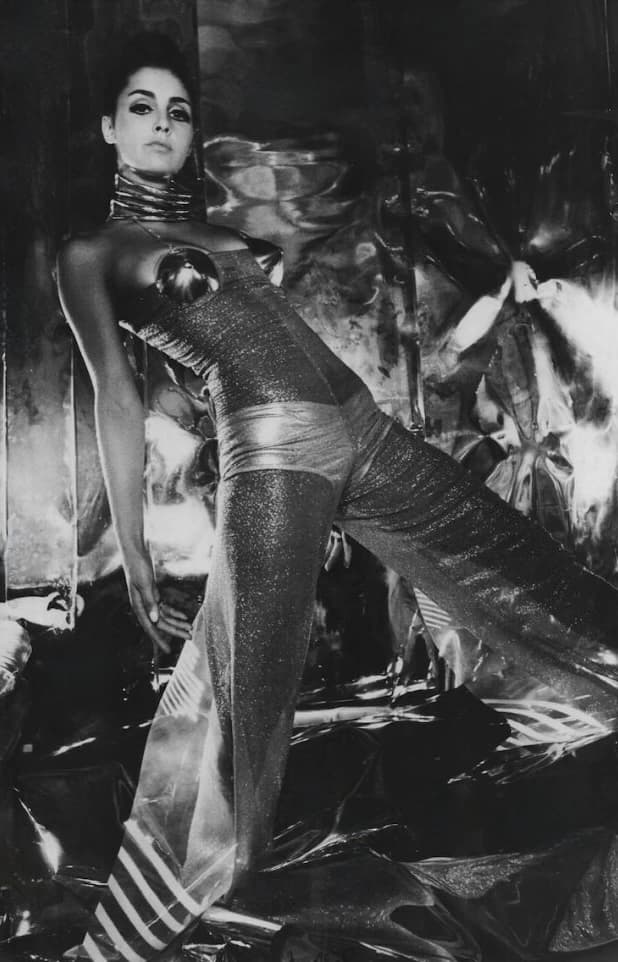
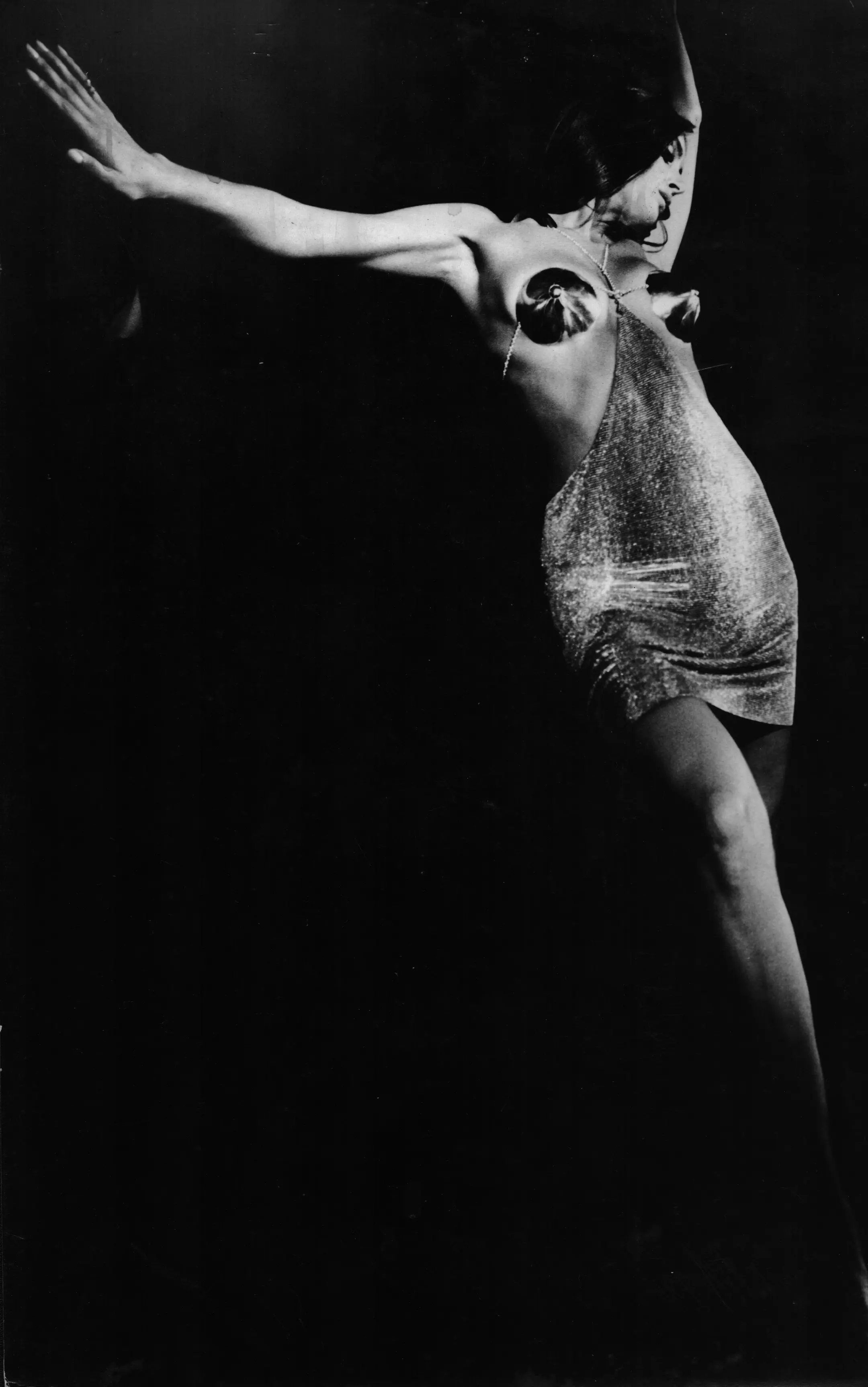
In the Paris studios of the early fifties, Mirella learned by watching — and then assisting — the Vogue fashion photographer Harry Meerson. ‘I couldn’t wait to get up and go to the studio, staying there all day until the evening and at weekends. I was completely taken with it.’
1954
First photographs in Africa
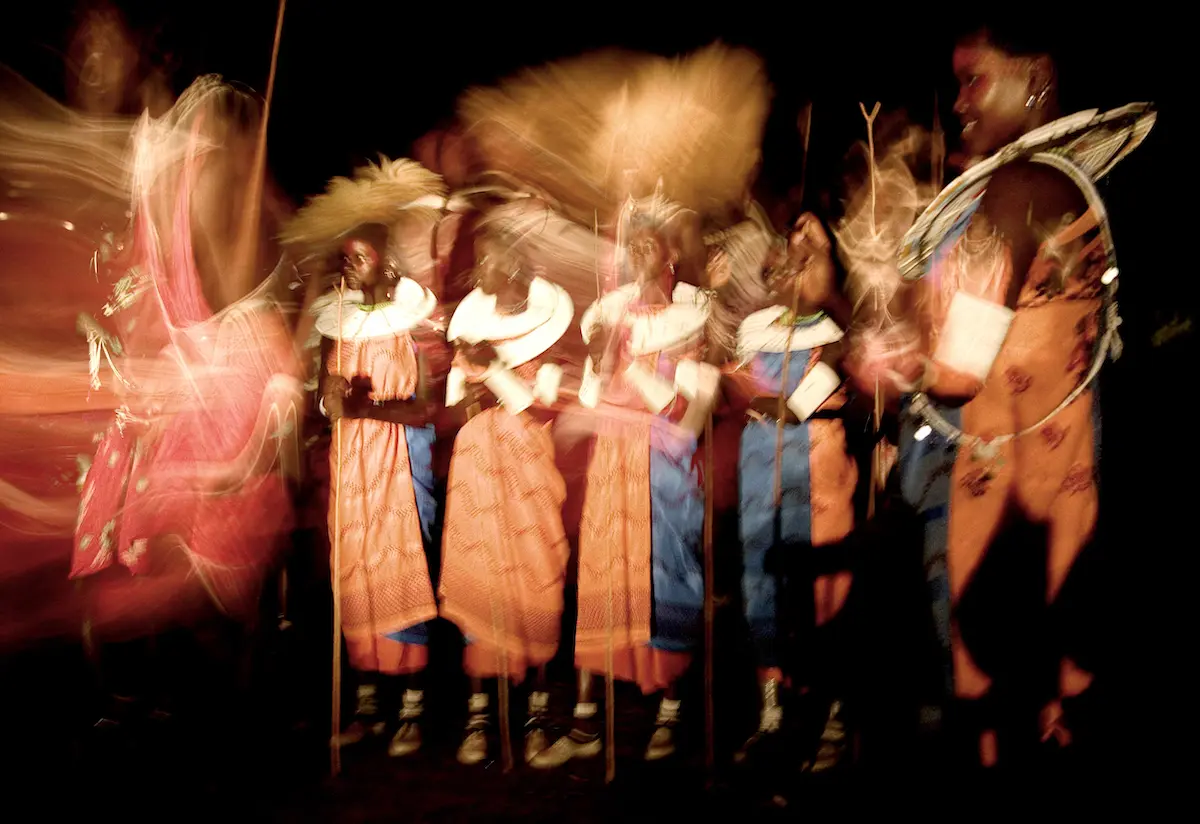
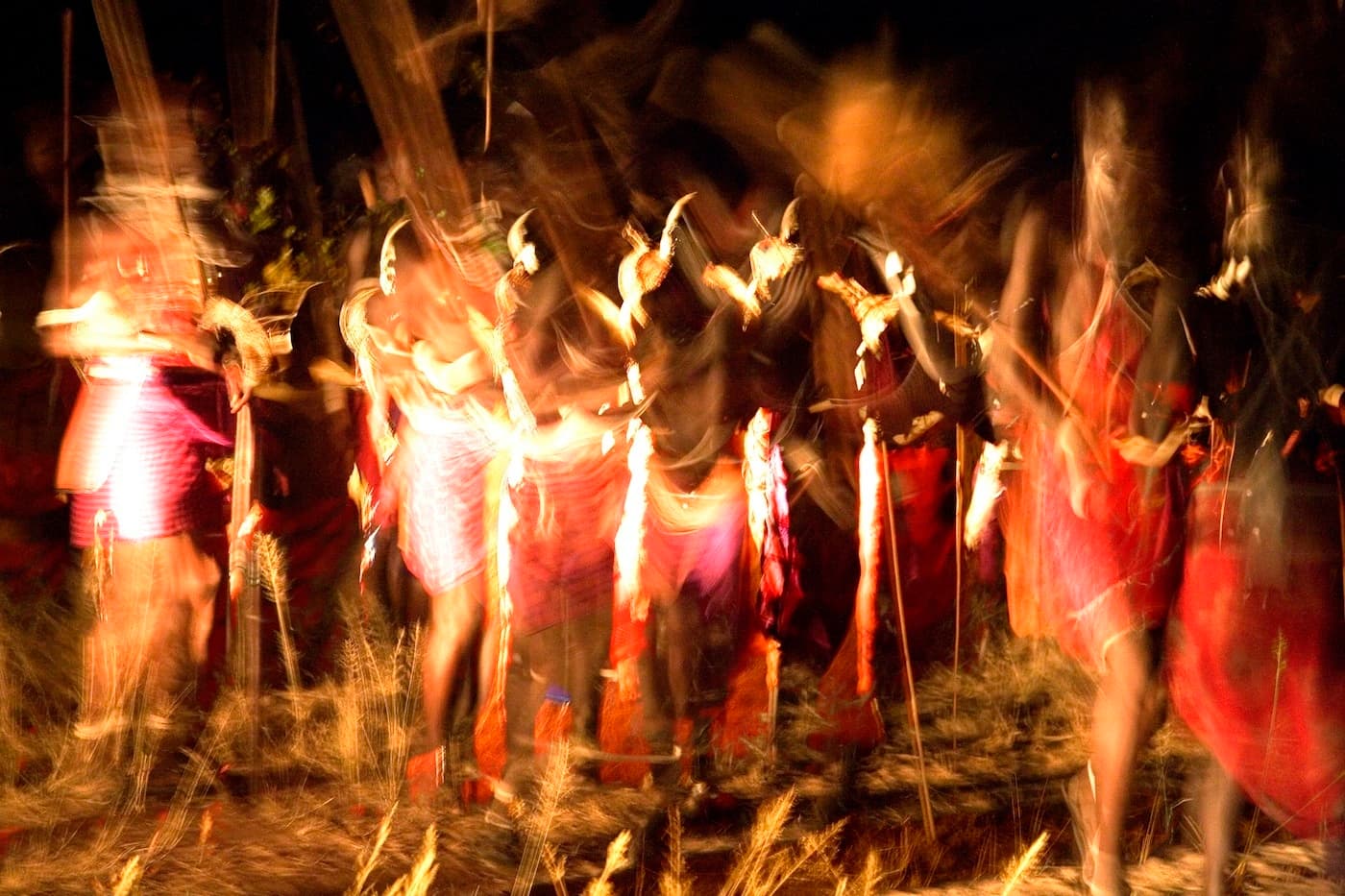
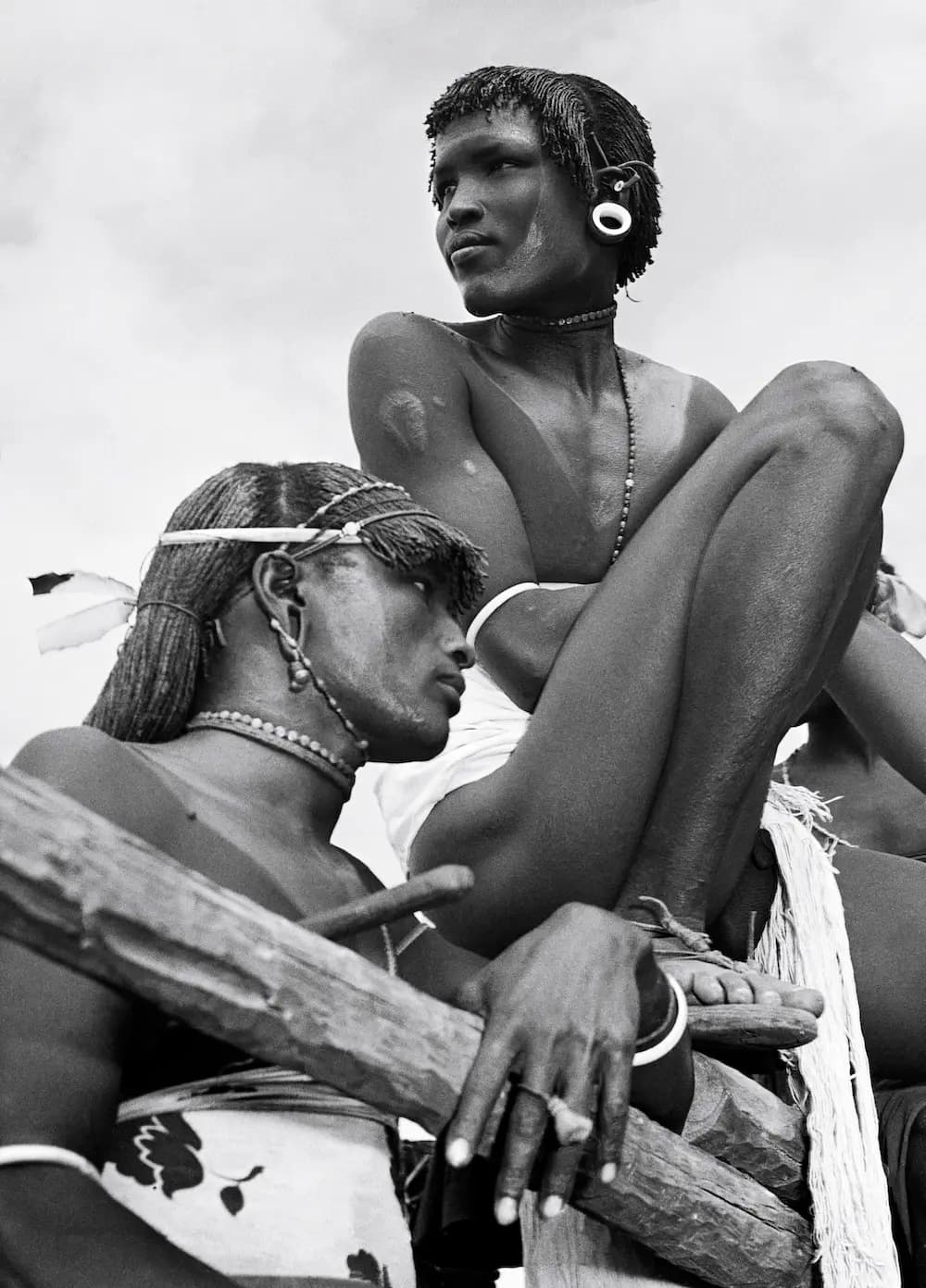
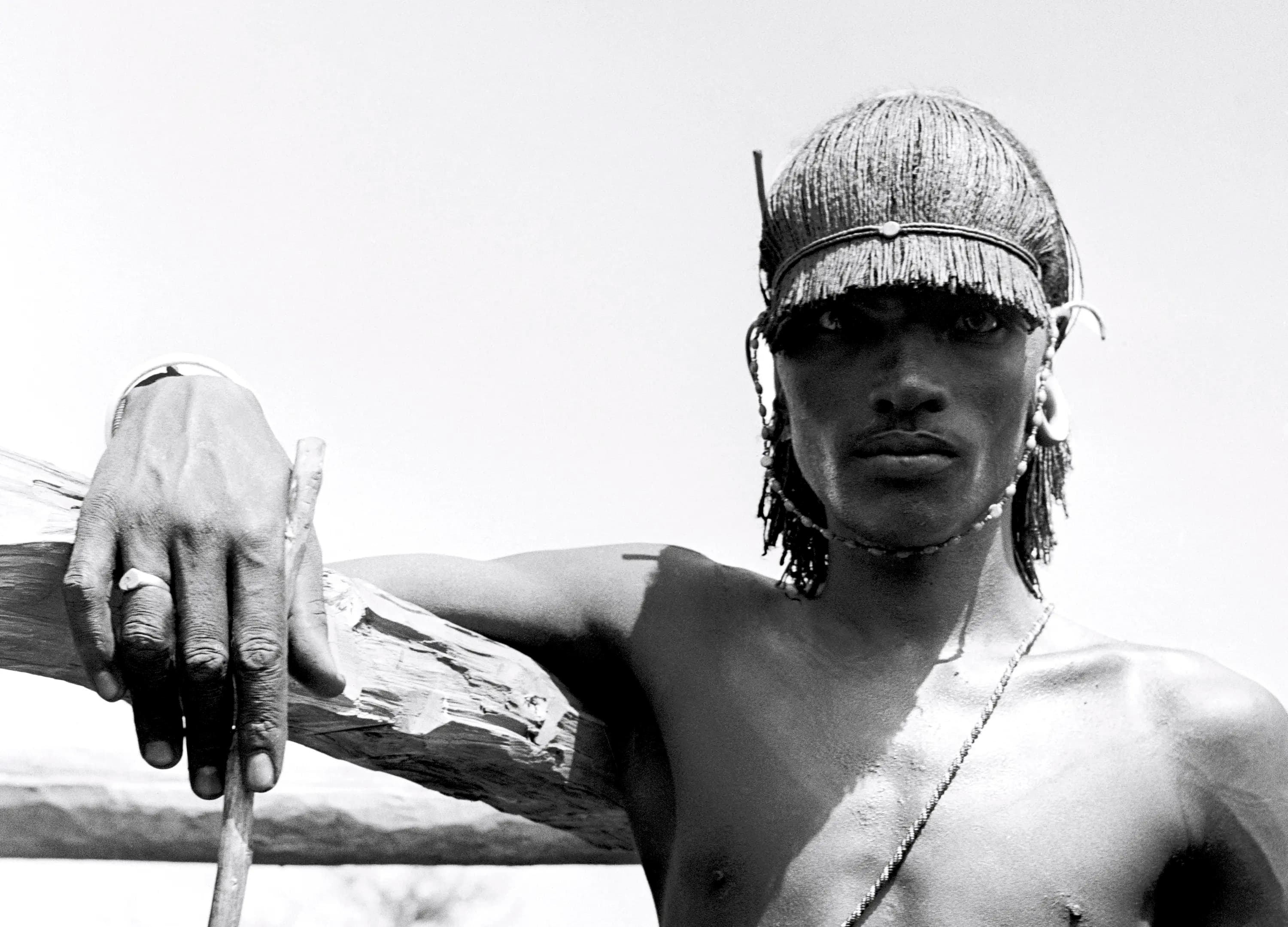
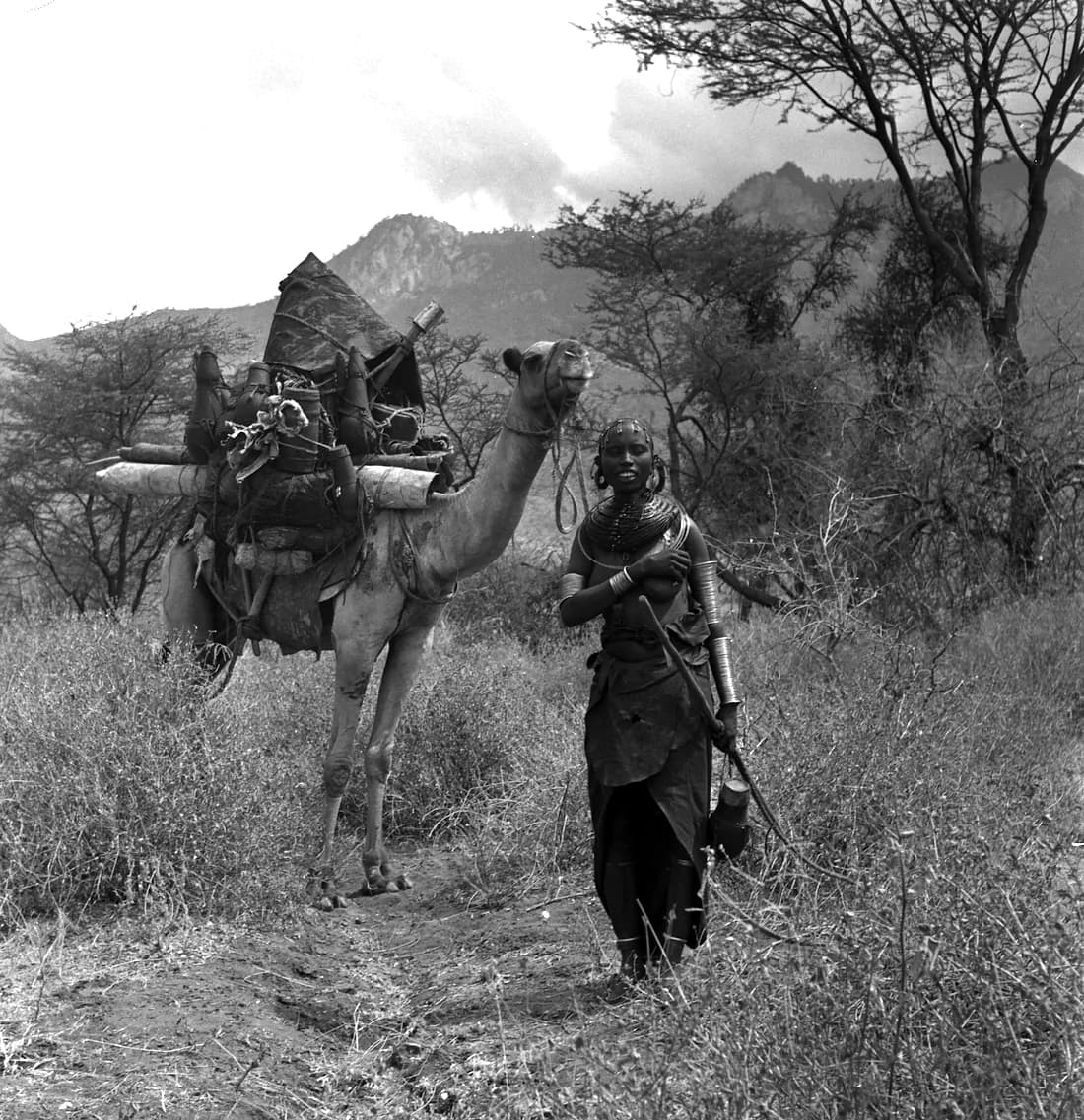
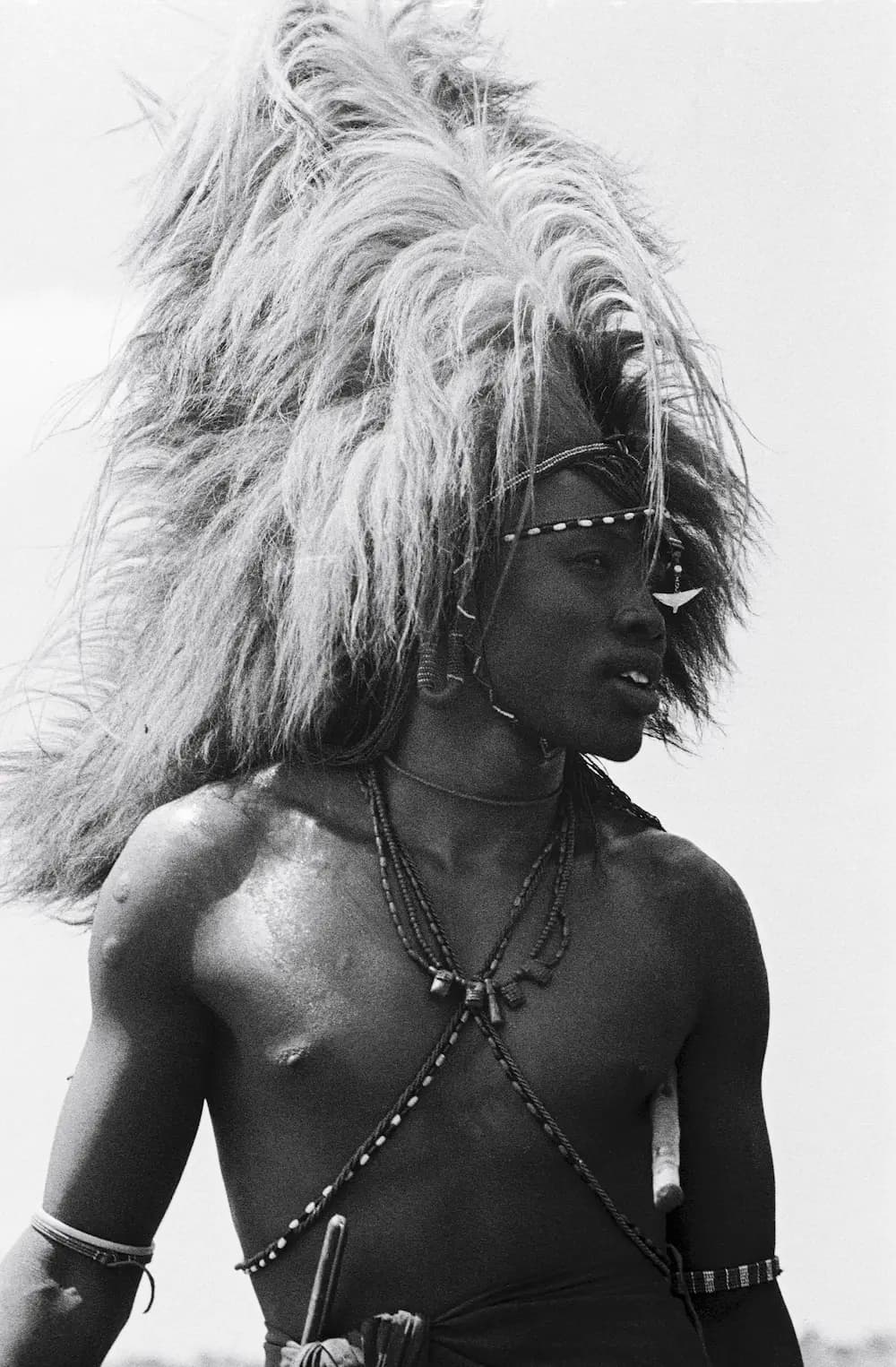
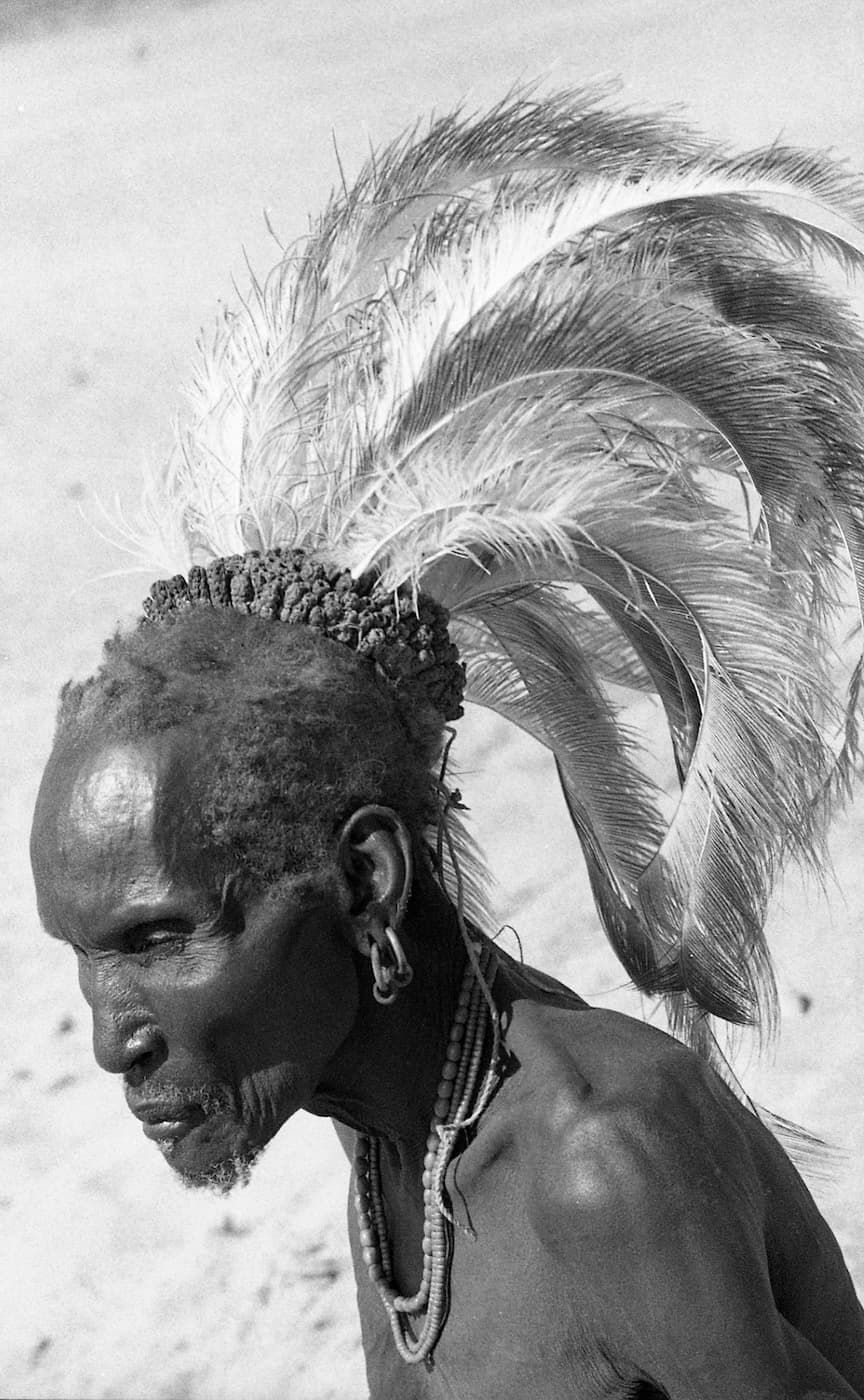
After Paris, Mirella returned to Kenya and turned her camera on the peoples of home for the first time — Samburu warriors, Turkana women, the Pokot. These earliest African photographs, made years before Vanishing Africa, already carry the signature: subjects against burning light, presence over pose.
1962
Rome & L’Eclisse
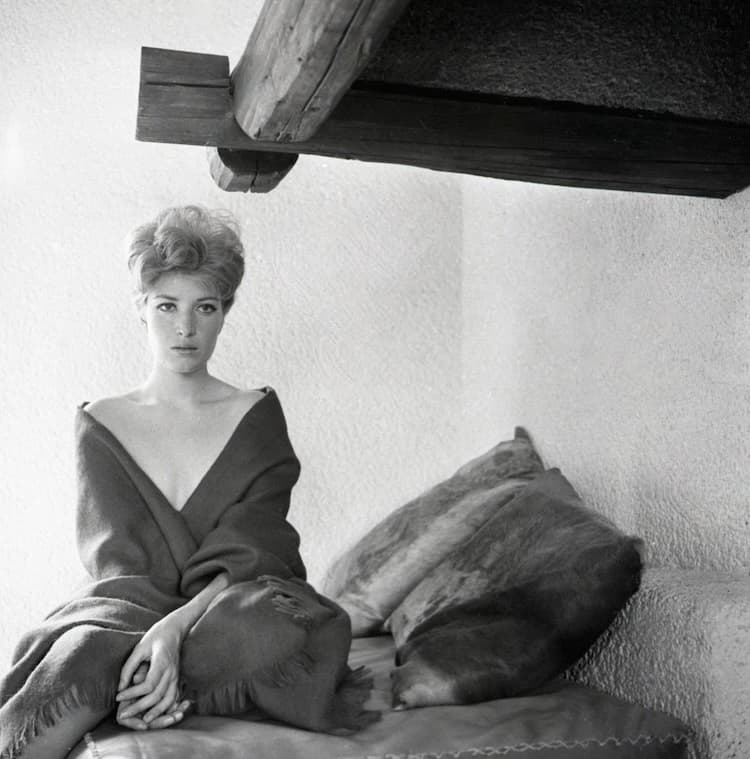
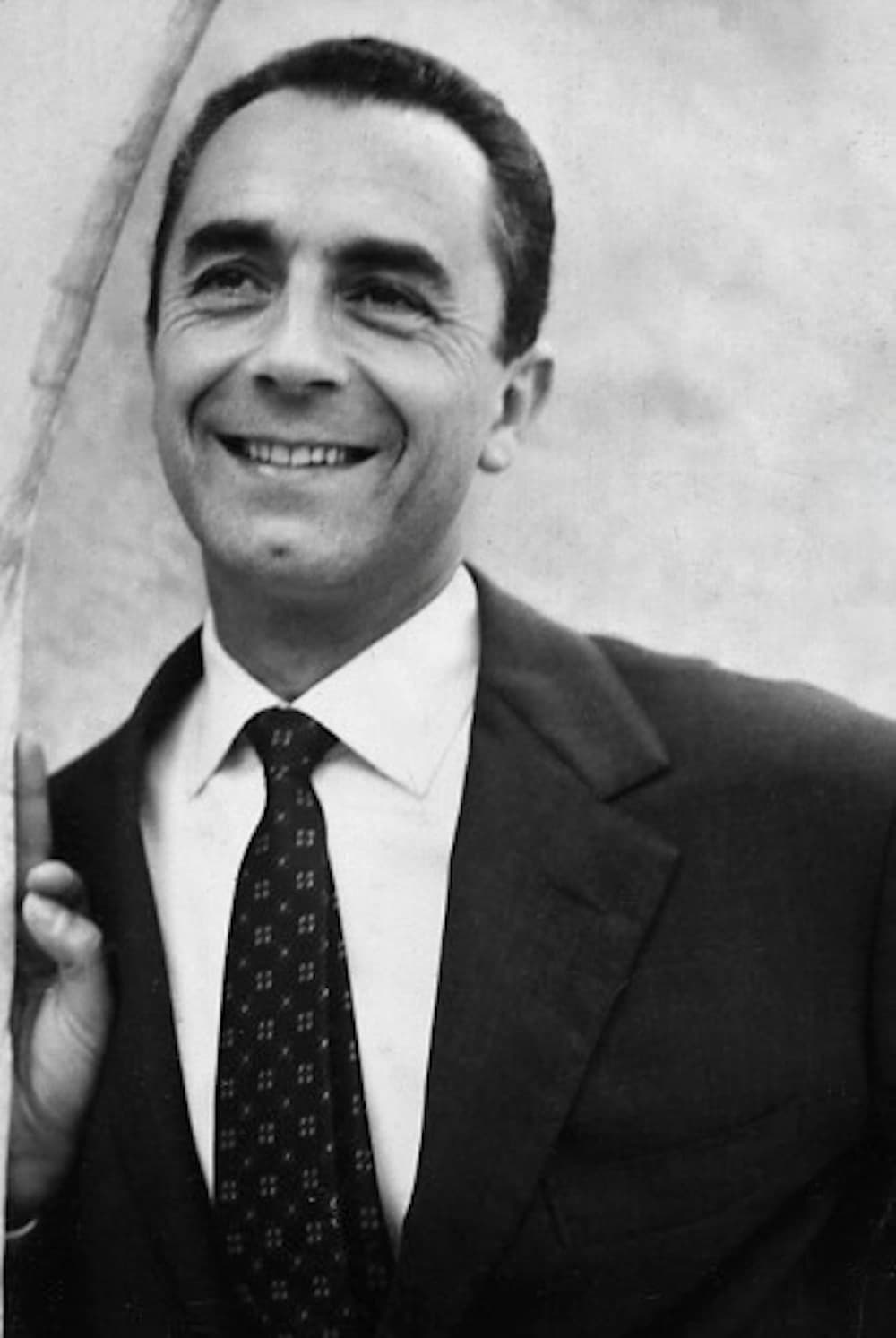
A chance meeting with Michelangelo Antonioni led to a brief turn as an actress in L’Eclisse (1962) — and an education among the masters of visual storytelling. From the cinematographers of Rome she took camera angles, lenses and light, and made telling portraits of Gina Lollobrigida, Alain Delon and Monica Vitti.

1967–1971
Vanishing Africa
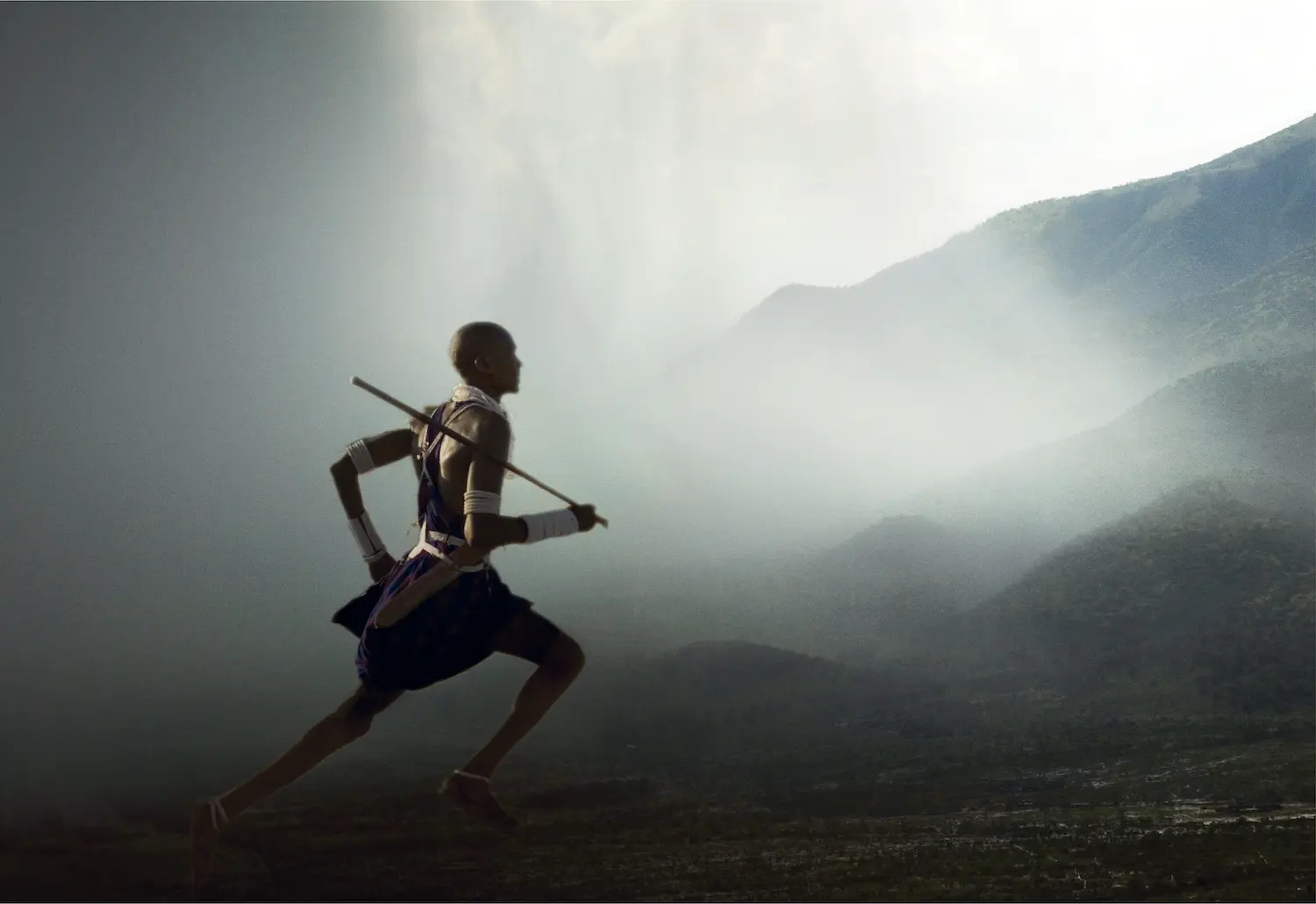
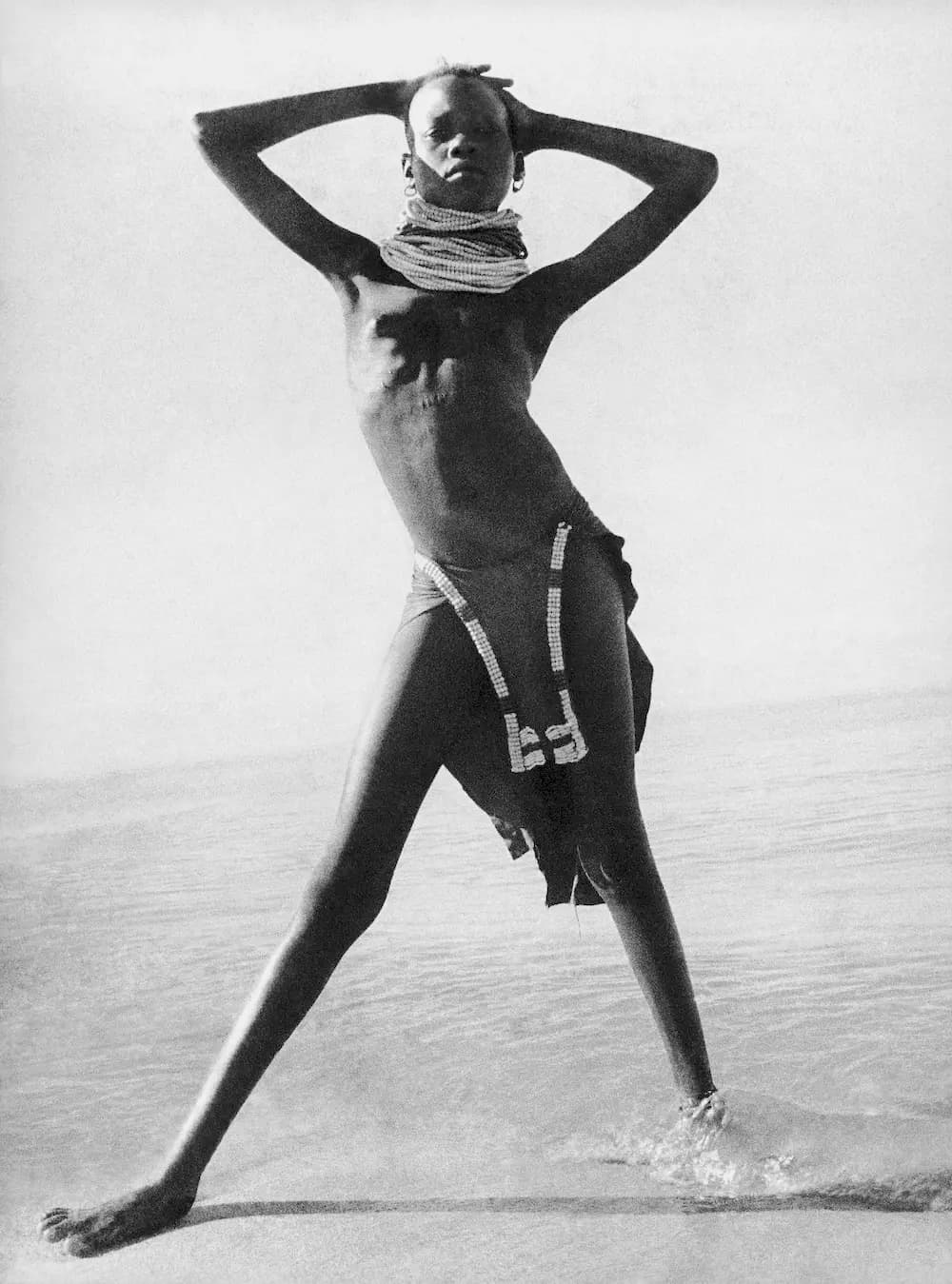
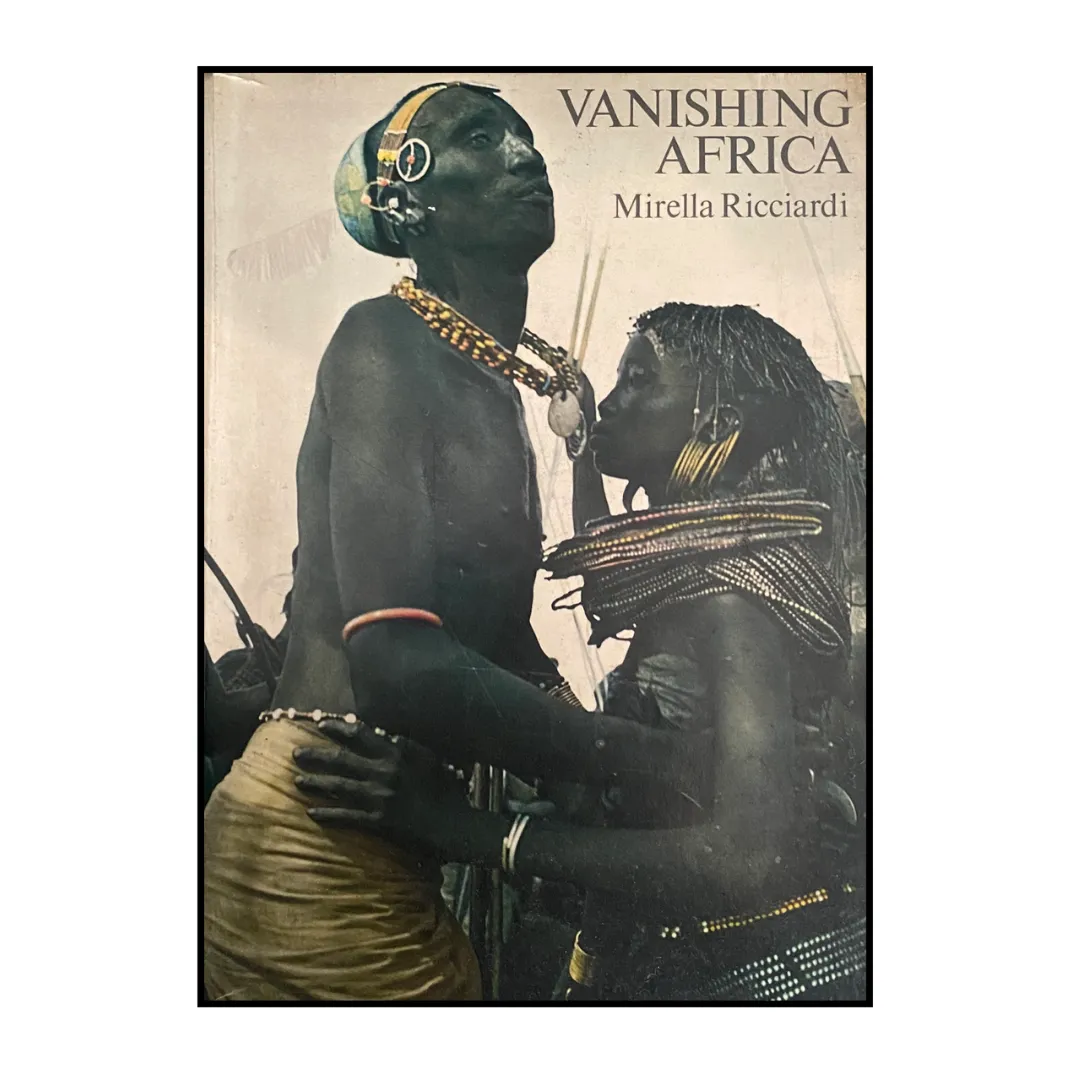
Back in Kenya, she photographed the customs and ceremonies of East Africa’s peoples — shooting into the light, exposing for the skin and letting the sun burn the background to white. The work became the seminal book Vanishing Africa (1971), a record of a world already changing.
1973
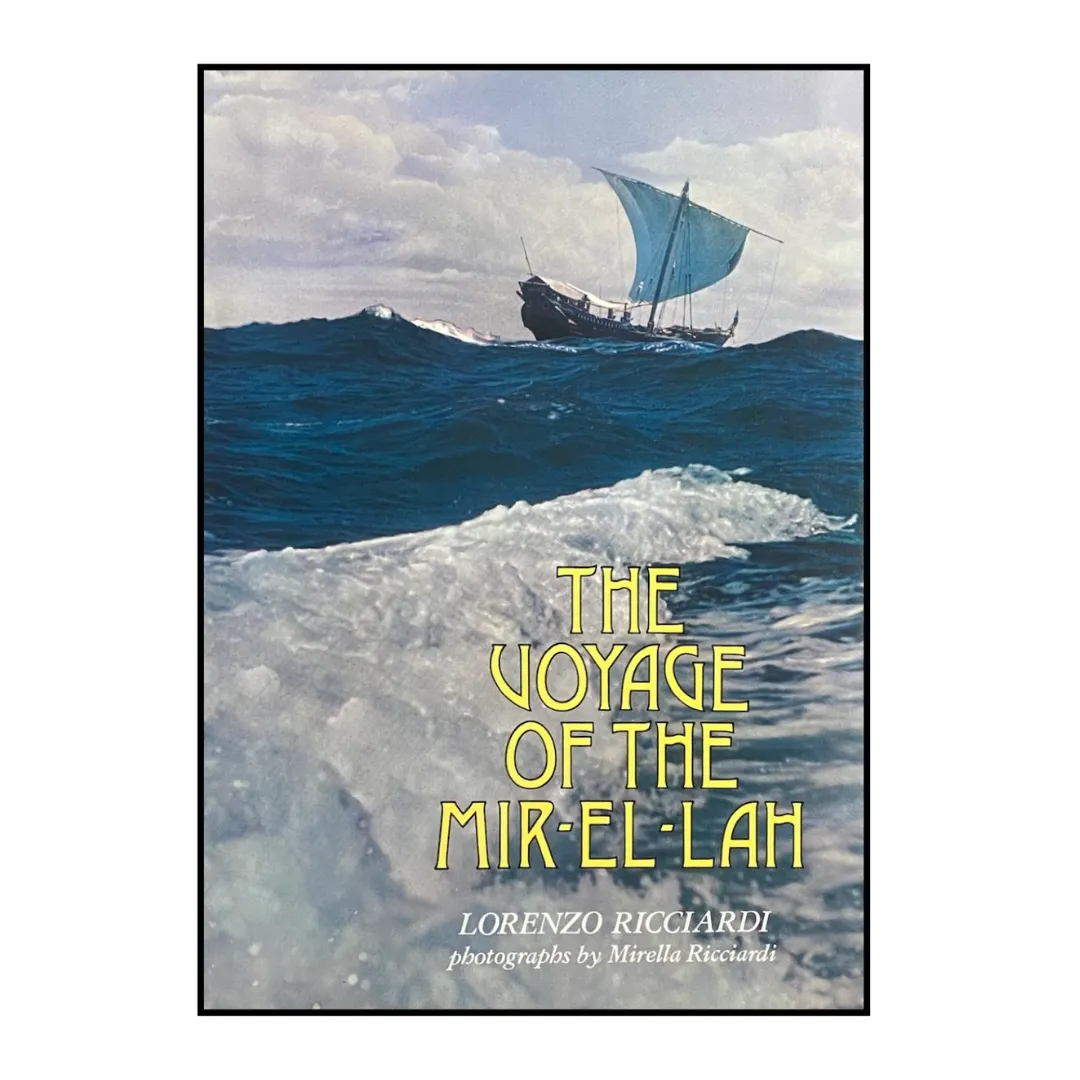
The Voyage of the Mir-el-Lah
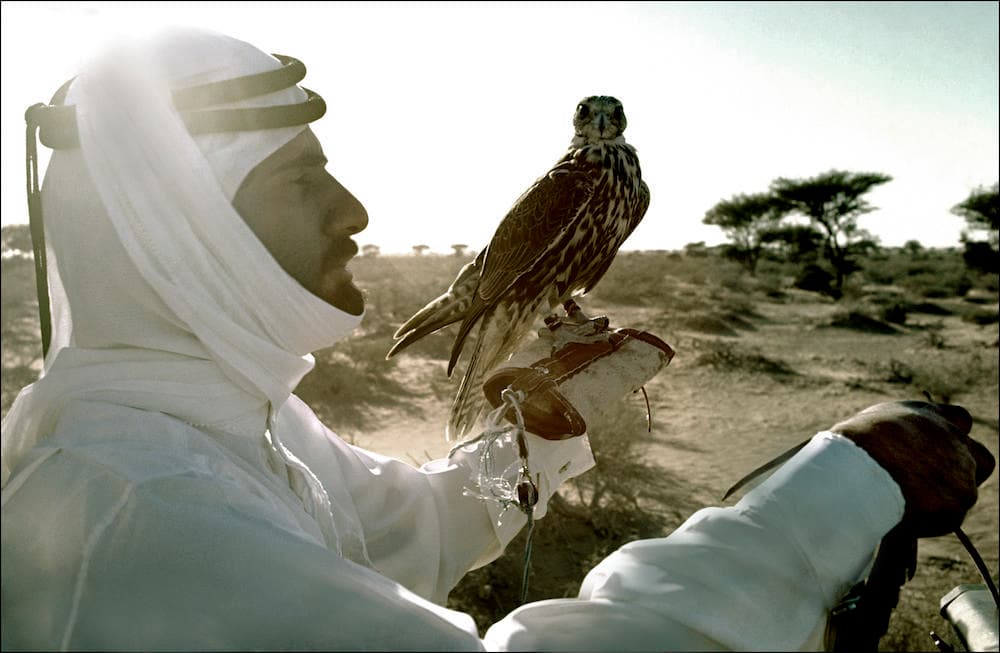
Aboard an Arabian dhow, Mirella followed the monsoon trade route from the Middle East down the East African coast — the sailors’ road of a thousand years — arriving in Lamu in 1973. The voyage became a book, and set the direction for everything after: going to the people, and staying long enough to see truly.
1985
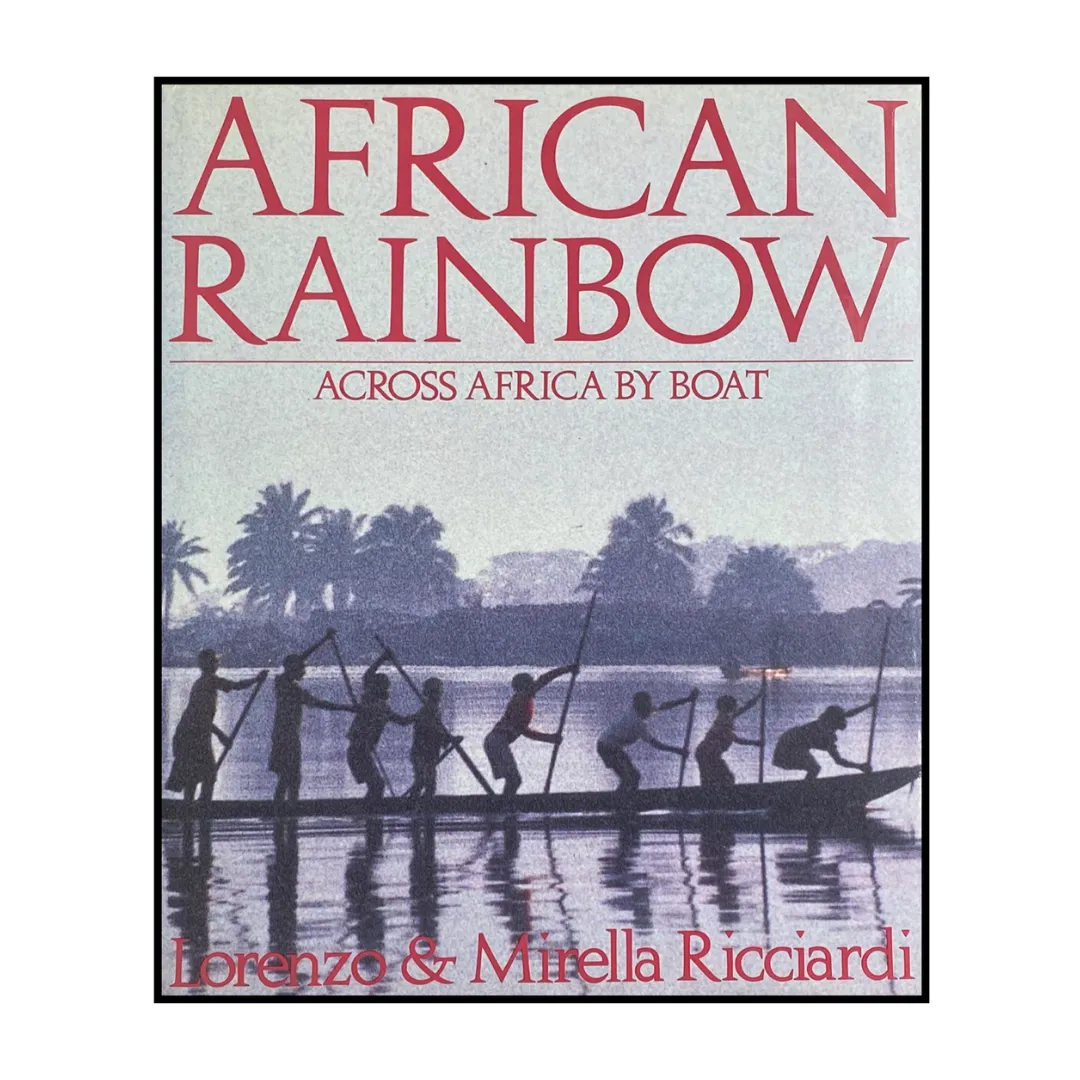
The African Rainbow expedition
With her husband Lorenzo Ricciardi and their team, a 21-month equatorial crossing of Africa — from the Indian Ocean to the Atlantic on the rivers and lakes of the continent’s heart. In the same decade she covered war and famine zones on assignment, using the camera to make the unseen visible.
1988–1991
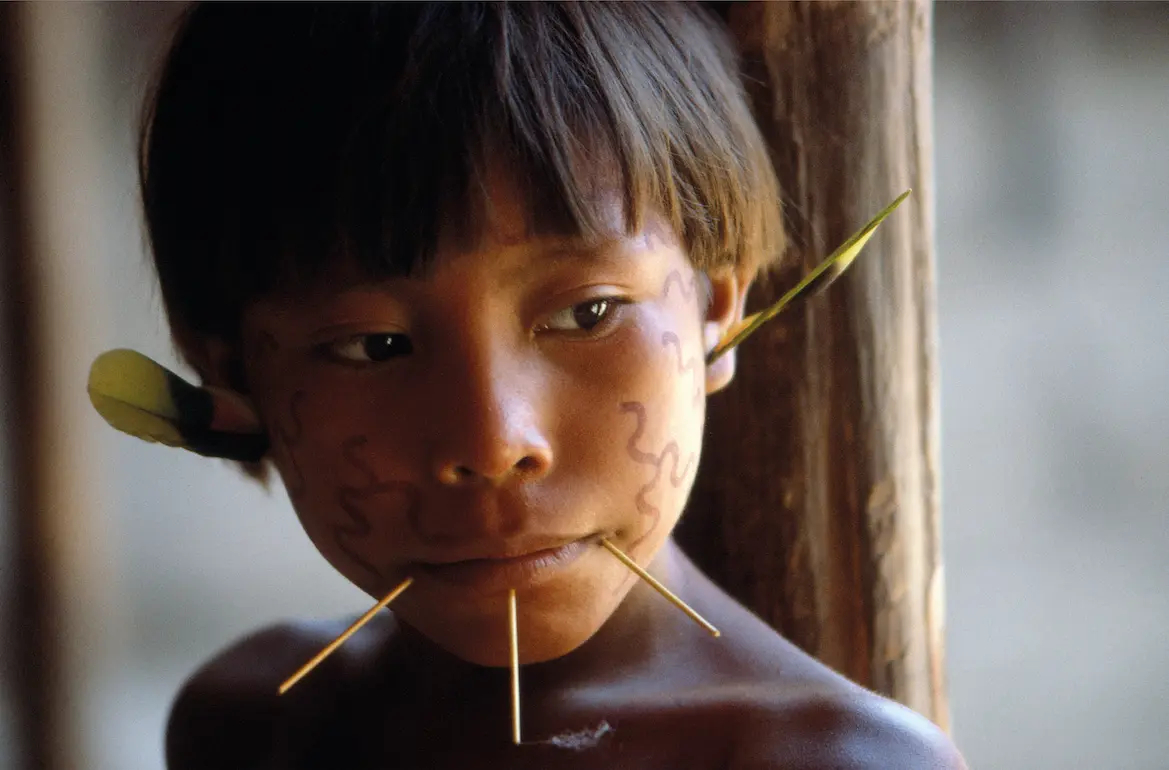
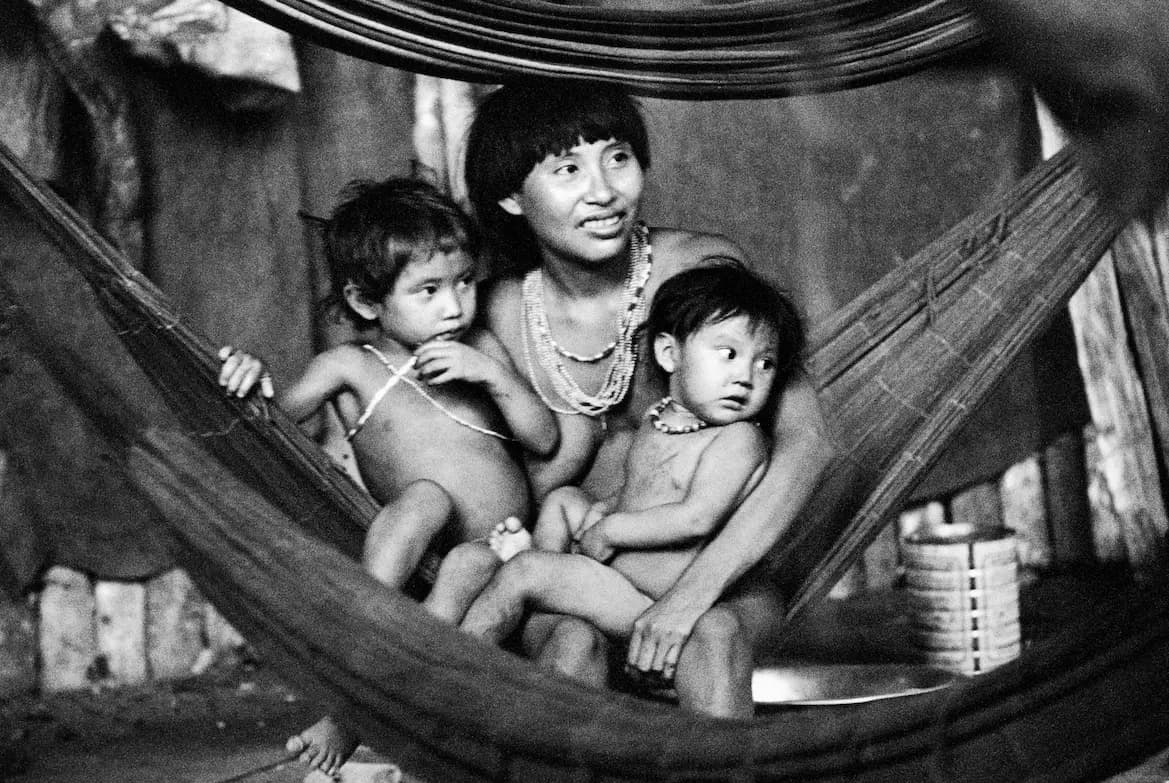
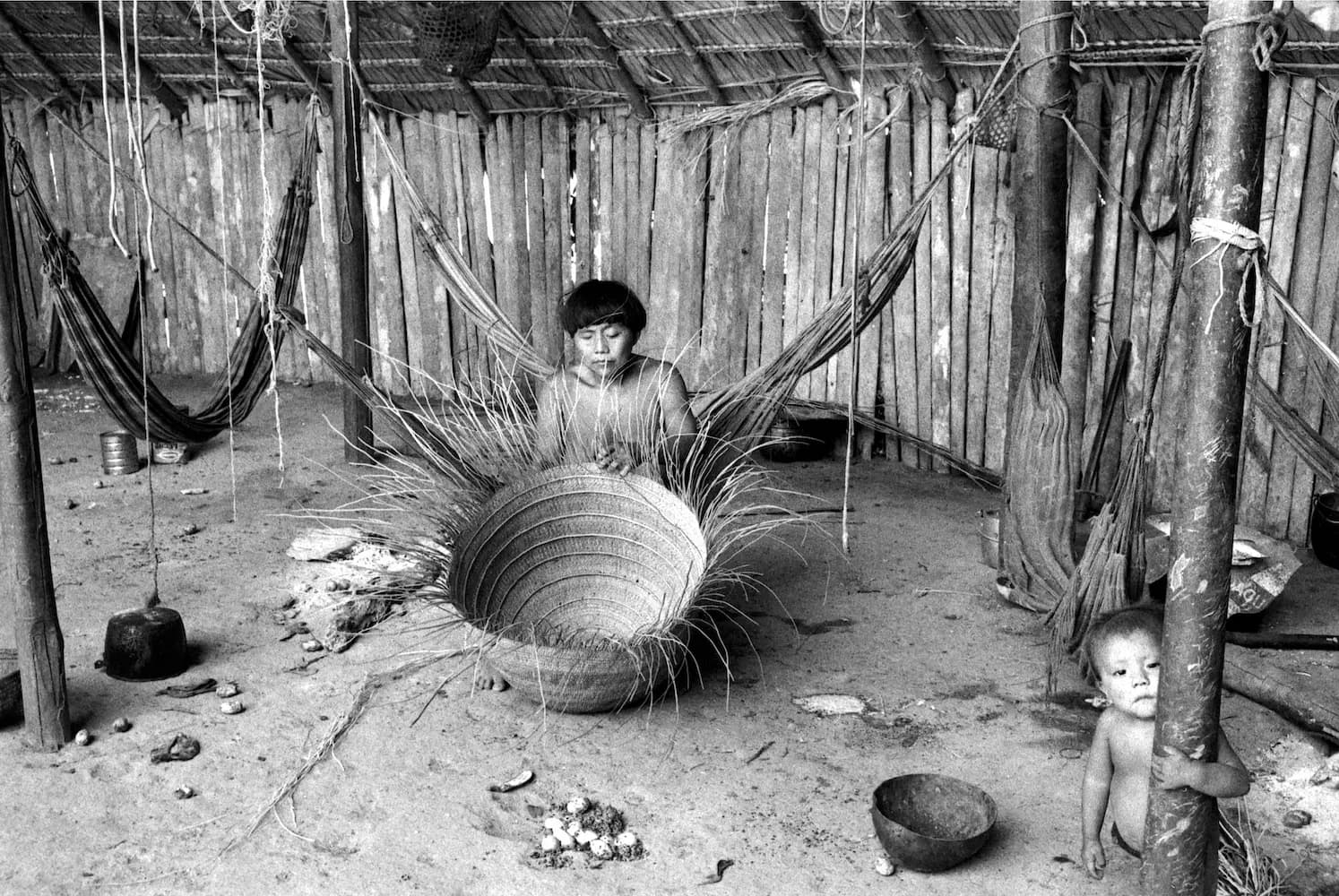
Vanishing Amazon
Commissioned by Orion to photograph the indigenous peoples of the Amazon basin, Mirella spent two years among the Kampa, Marubo and Yanomami. The BBC invited her to make a 70-minute video diary of the journey; the book Vanishing Amazon followed in 1991.

2000
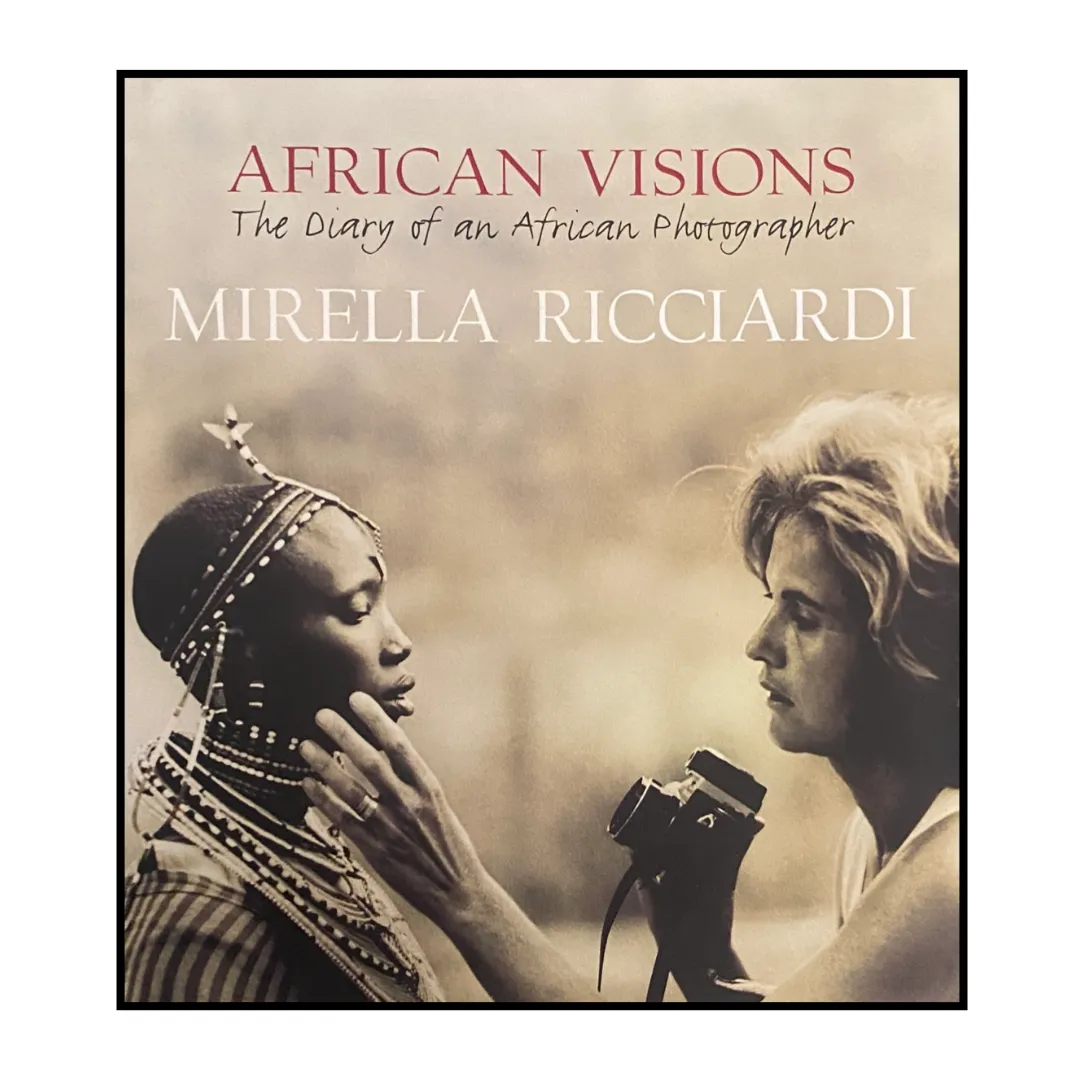
African Visions
The diary of an African photographer — a life’s work revisited and published at the turn of the millennium, joining The Voyage of the Mir-el-Lah (1980), African Rainbow (1989) and Vanishing Amazon (1991) on the shelf of her books.
2007 — today
The archive
In 2007 her daughter Amina Ricciardi-Dempsey opened an old Zanzibar chest in the family’s house in Kenya and found the original archive — negatives and transparencies stored and forgotten for thirty years. Mother and daughter have spent the years since cataloguing and preserving it as Vanishing Africa Ltd, while Mirella turned to hand-colouring and mixed-media prints, reworking a lifetime of images.